
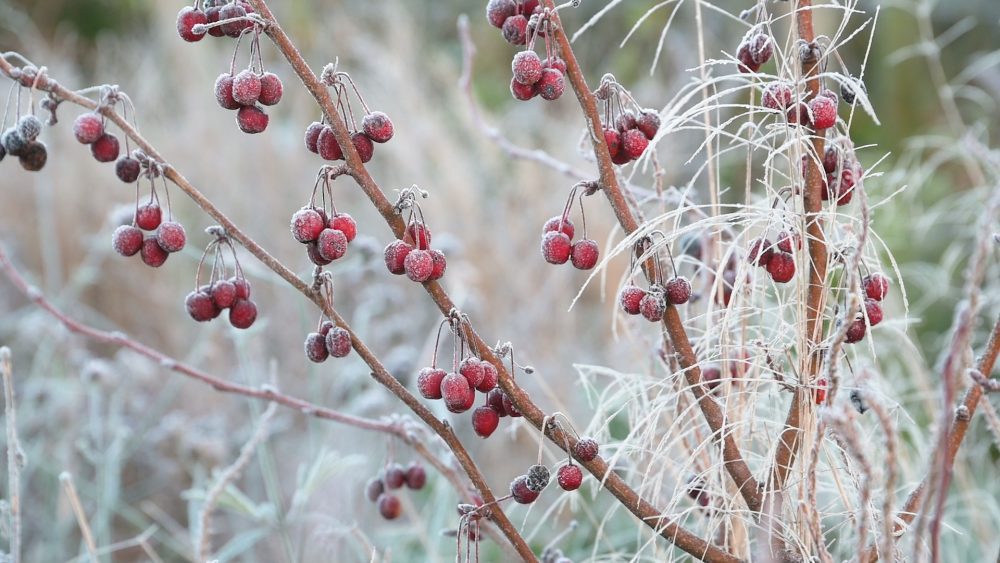
When we think of gardens, we tend to imagine flowers in full bloom, vibrant summer colour, or the fiery hues of autumn.
But if you step outside on a crisp winter morning, gardens take on a completely different kind of magic.
Watch the video and read on for more details:
This is where winter garden interest really comes into its own. The low sun catches seedheads, stems, and frosted leaves, turning ordinary plants into sculptural, glowing forms. It’s a fleeting hour of wonder; a natural performance that most traditional gardens would have cut away months ago.
But winter garden interest isn’t just about beauty.
The stems, seedheads, and foliage you see provide vital habitat and food for wildlife. Birds, small mammals, and overwintering insects rely on these plants to survive the colder months.
Even the soil benefits, as both living and dead plant material insulate it, helping to prevent frost damage and compaction caused by heavy rain. By letting plants “carry on” until late winter or early spring, we create a garden that’s alive year-round, not just during peak flowering.
Plants for winter garden interest
Some of the plants that shine in this season include:
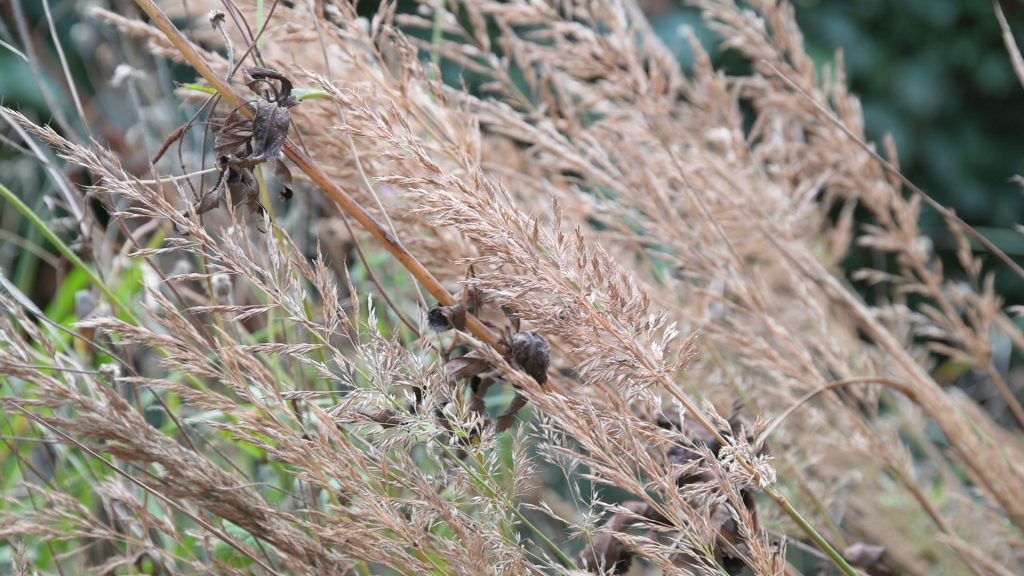
Grasses like Calamagrostis brachytricha, Calamagrostis x acutiflora ‘Karl Foerster’, and Deschampsia cespitosa, that sway gently and catch frost on their feathery seedheads.
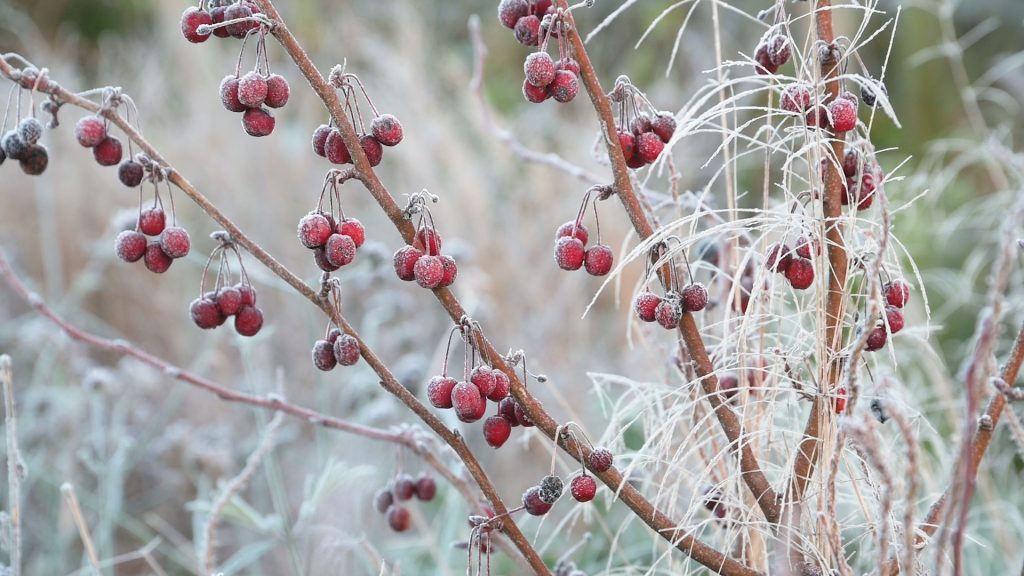
Small trees and shrubs such as Malus baccata ‘Street Parade’, Daphne bholua, and Viburnum x bodnantense ‘Dawn’ with berries and subtle stems that add vertical structure.
Herbaceous perennials such as Angelica gigas, Monarda ‘Scorpion’, Aster amellus ‘Rudolph Goerthe’, Echinacea purpurea, Eupatorium ‘Snowball’, Achillea filipendulina ‘Cloth of Gold’, and Leucanthemella serotina; all familiar from summer blooms, but equally captivating when seen as seedheads or stems dusted with frost.
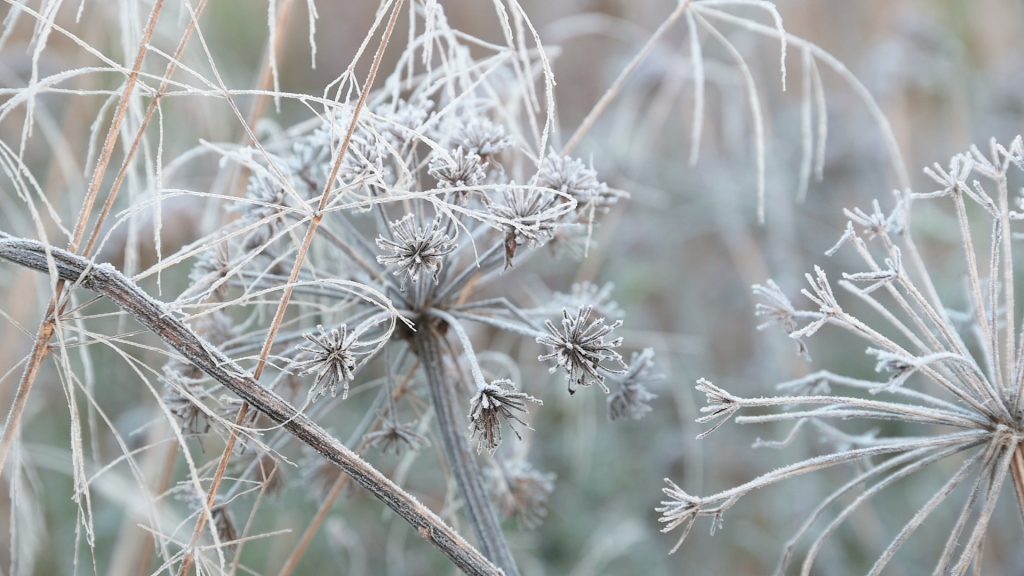
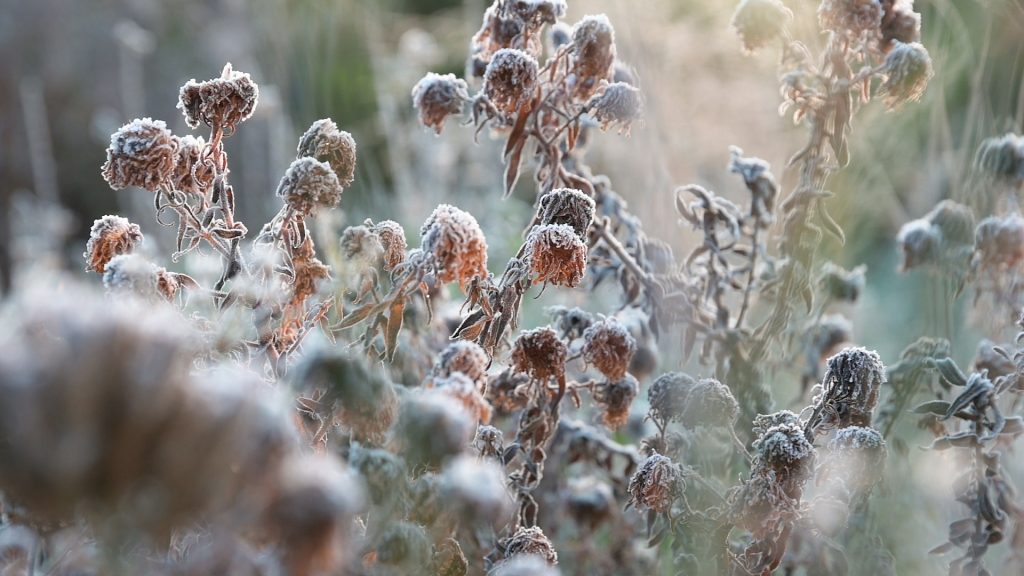
By observing gardens through a winter lens, you’ll start to see the artistry of nature itself. Each seedhead, every frosted stem, has form and function. Gardens can be both beautiful and ecologically active even in the cold months. It’s a lesson in patience, appreciation, and working with natural rhythms rather than against them.
So this winter, instead of tidying everything away, take a walk around your garden. Look for the intricate shapes that frost illuminates. Notice how the remaining berries, stems, and seedheads feed and shelter wildlife. There’s magic in this quiet season. It’s all around us if we just take the time to see it.
What’s looking good in your garden this winter?
I’d love it if you could leave a comment below and let me know what’s looking good or supporting wildlife in your garden at the moment.
Thanks and happy wintering.
Joe


Leave a Reply